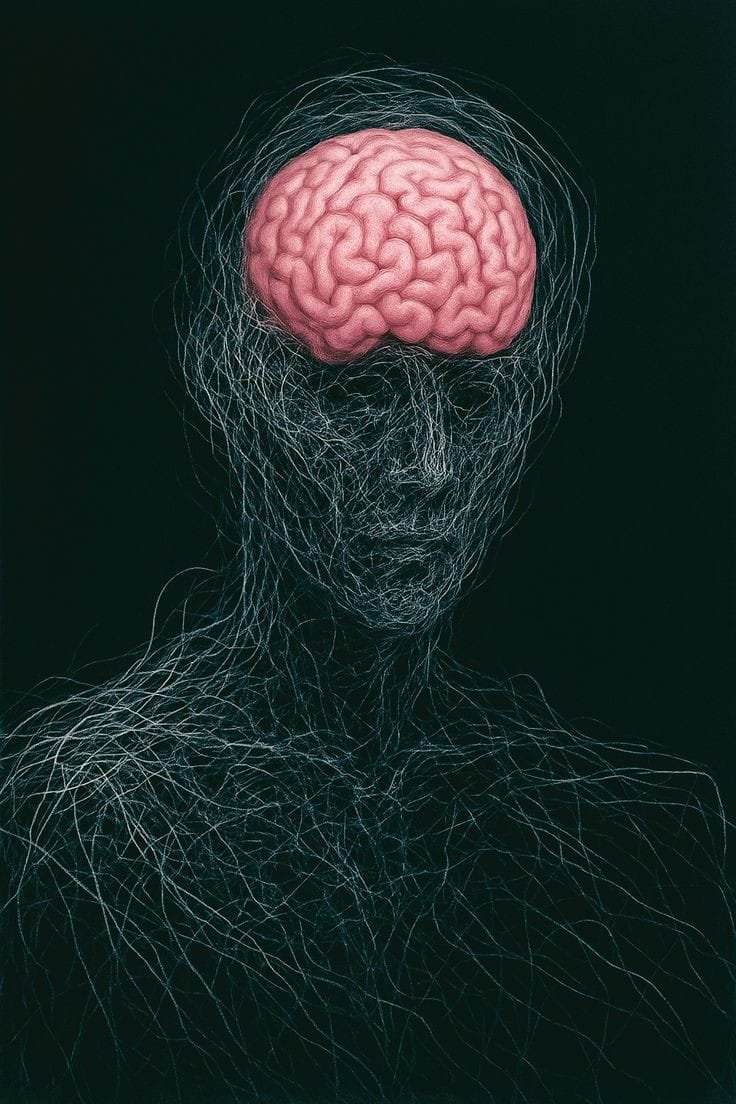
Explore the intricacies of human diseases, their causes, symptoms, and treatments. This guide provides essential information to help you understand how diseases impact our lives and the methods available for prevention and care.
Introduction
Human diseases are conditions that disrupt normal bodily functions, resulting from genetic, environmental, or lifestyle factors. Understanding these diseases is crucial for prevention, early detection, and effective treatment. In this guide, we will explore various types of human diseases, including infectious, chronic, and genetic disorders, as well as their symptoms, causes, and management strategies.
Types of Human Diseases
Infectious Diseases
Caused by pathogens such as bacteria, viruses, and parasites.
Common examples include influenza, tuberculosis, and HIV/AIDS.
Transmission can occur through direct contact, contaminated water, or vectors like mosquitoes.
Chronic Diseases
Long-lasting conditions often linked to lifestyle choices.
Examples include diabetes, heart disease, and obesity.
Management typically involves lifestyle modifications, medication, and regular monitoring.
Genetic Disorders
Result from abnormalities in an individual's DNA.
Examples include cystic fibrosis, sickle cell anemia, and Down syndrome.
Some genetic disorders can be screened for, allowing for early intervention.
Causes of Human Diseases
Understanding the causes of diseases is essential for prevention:
Genetics: Inherited traits can predispose individuals to certain diseases.
Lifestyle Choices: Diet, exercise, and substance use play significant roles in disease development.
Environment: Pollution, occupational hazards, and exposure to toxins can contribute to various health issues.
Symptoms and Diagnosis
Symptoms vary widely based on the disease. Early diagnosis is essential and typically involves:
Medical History: Understanding a patient's symptoms and family history.
Physical Examination: Medical professionals may conduct tests to assess health.
Laboratory Tests: Blood tests, imaging, and biopsies help confirm diagnoses.
Prevention Strategies
Preventing diseases is often more effective than treating them. Here are common strategies:
Vaccination: Essential for preventing infectious diseases.
Healthy Lifestyle: Regular exercise, balanced diets, and avoiding tobacco and excessive alcohol use.
Regular Check-ups: Early detection through routine health screenings.
Treatment Options
Treatment varies depending on the disease type:
Medications: From antibiotics for infections to insulin for diabetes, medication plays a key role in management.
Therapies: Physical, occupational, or psychotherapy can aid in recovery and improve quality of life.
Surgery: In some cases, surgical intervention is necessary for treatment.
Conclusion
Understanding human diseases equips individuals with the knowledge needed for better health management. By learning about disease causes, symptoms, and prevention strategies, we can enhance our well-being and make informed decisions about our health. For more detailed information about specific diseases, treatments, and ongoing research, visit our website regularly.